In today’s digital economy, businesses are no longer competing solely on products or services. They are competing on speed, agility, customer experience, and operational intelligence. The challenge? Most organisations still operate across disconnected systems, siloed data, legacy infrastructure, and fragmented workflows.
For the modern C-suite, this creates a dangerous gap between strategy and execution. Organisations cannot scale innovation when teams spend valuable hours manually transferring data, navigating disconnected applications, or waiting for information trapped inside outdated systems. The future belongs to businesses that can unify systems, automate workflows, and turn real-time data into decisive action. This is where intelligent integration and automation become transformational.
The New Business Reality: Integration Is No Longer Optional
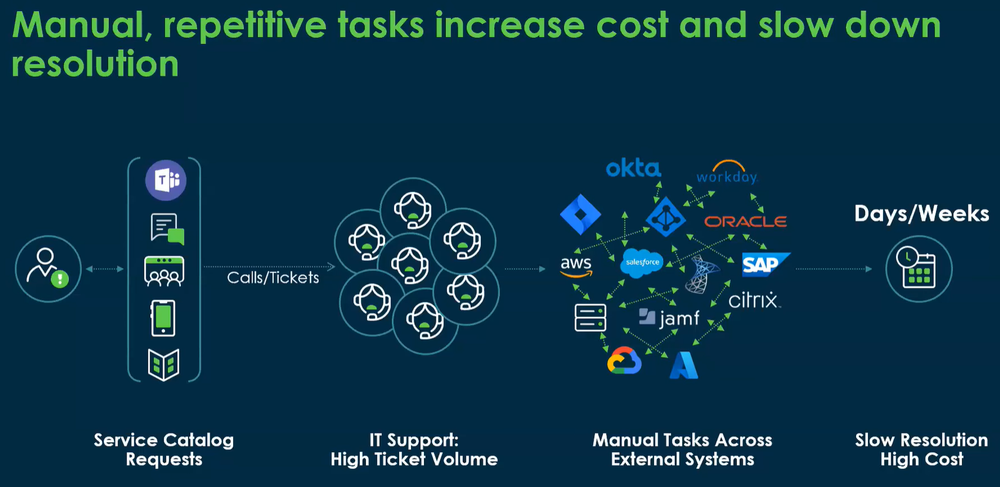
Modern businesses run on hundreds of applications across HR, finance, operations, customer service, cybersecurity, supply chain, and sales. Yet many organisations still rely on fragmented integrations or manual processes that slow execution and increase operational risk.
The consequences are significant:
Why Intelligent Automation Is Becoming a Boardroom Priority
Why? Because intelligent automation directly influences:
- Revenue acceleration
- Customer retention
- Operational scalability
- Risk reduction
- Workforce productivity
- Innovation velocity
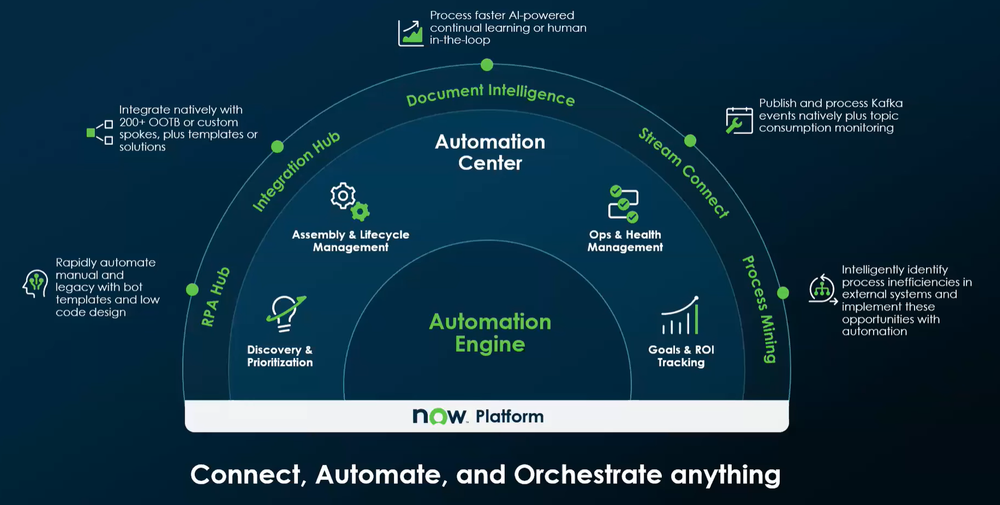
Modern platforms are helping businesses connect APIs, legacy systems, real-time data streams, and even document-based workflows into a single automation ecosystem. This allows organisations to automate not only simple repetitive tasks, but also entire cross-functional business processes.
The Rise of Low-Code Business Transformation
One of the most important shifts happening in Business technology is the democratisation of integration and automation. Traditionally, enterprise integrations required specialised developers, extensive scripting, long project cycles, and expensive maintenance. This often created bottlenecks between business strategy and technology execution.
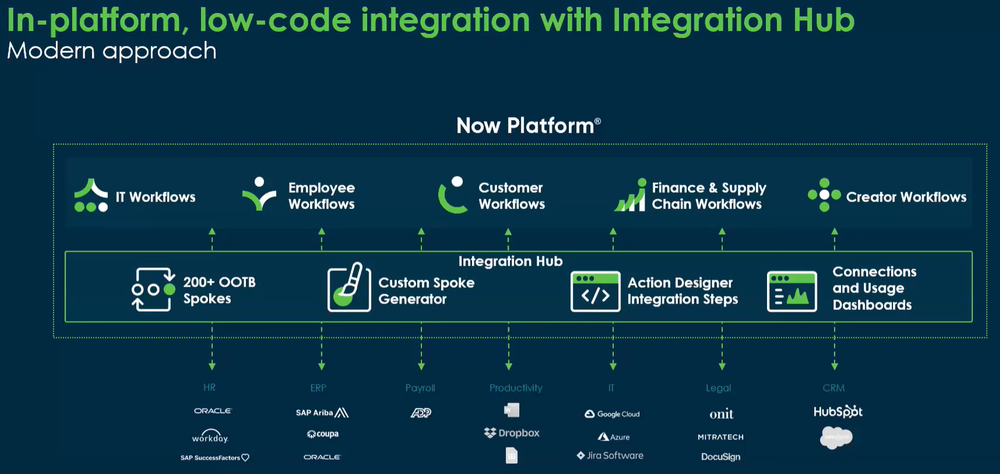
Today, low-code and no-code automation platforms are changing that equation. With modern integration ecosystems:
- Business teams can automate workflows faster
- Developers can focus on high-value innovation
- Organisations reduce dependency on custom-coded integrations
- Business gains faster time-to-value
- Automation becomes accessible across departments
The Hidden Cost of Legacy Integration Models
Many businesses continue relying on heavily scripted integrations or outdated legacy infrastructure. While this may appear cost-effective initially, the long-term consequences are substantial. Legacy integration approaches often introduce deep technical debt, high maintenance costs, support complexity, upgrade challenges, security gaps, and inconsistent governance.
Real-Time Business Intelligence Is the Next Competitive Battleground
Leveraging tools like Business Stream Connectors for Apache Kafka allows organisations to process and act on real-time events across ecosystem applications. For executives, this means:
- Faster, data-driven decision-making
- Improved operational responsiveness
- Enhanced scalability and stability
- Live automation triggers across systems
- Greater end-to-end visibility into business operations
Beyond APIs: The Importance of End-to-End Automation
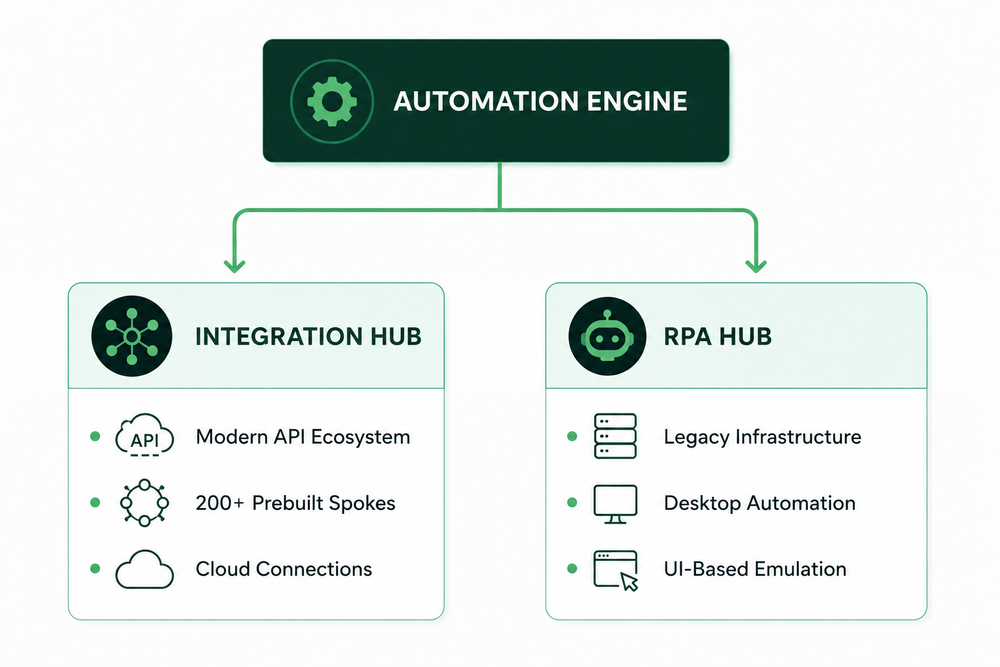
Not every business system is modern. Many organisations still rely on legacy platforms that lack APIs or modern web integration capabilities. This creates a severe challenge for businesses attempting to modernise operations without completely replacing core, stable infrastructure.
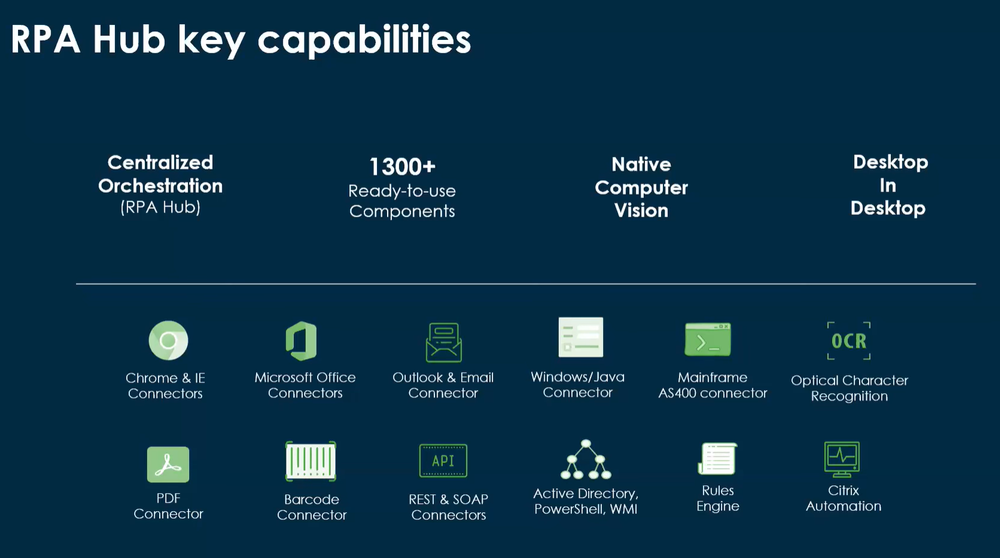
Robotic Process Automation (RPA) bridges this gap. RPA enables organisations to automate repetitive, error-prone tasks across legacy applications by mimicking human actions such as UI navigation, data entry, and desktop workflow execution
The Future Belongs to Connected Enterprises
Final Executive Takeaway
For today’s C-suite, digital transformation is no longer simply a technology initiative; it is a business survival strategy. Modern integration and automation platforms are redefining how enterprises operate, innovate, scale, and compete.
Organisations that embrace intelligent automation now will unlock faster growth, lower operational costs, stronger governance, and superior customer experiences. The question is no longer whether enterprises should modernise integration and automation. The question is how quickly they can do it.
Accelerate Your Automation Journey
Ready to eliminate workflow friction and unify your enterprise applications? Contact our team of transformation experts today to see how our unified integration and automation solutions can scale your business operations.
Key Takeaways: The Automation Engine Framework
- The Core Problem: Fragmented applications create manual bottlenecks, driving up operational costs and delaying customer resolutions from minutes to weeks.
- The Low-Code Shift: Modern integration relies on out-of-the-box (OOTB) components and visual drag-and-drop workflows rather than complex, custom coding.
- Hybrid Connectivity: True enterprise automation requires a mix of modern API integration (Integration Hub) and legacy system emulation (RPA Hub).
- Real-Time Agility: Transitioning to event-driven architectures via streaming data creates an immediate competitive edge in operational visibility.