A Story of Turning “What If?” into “We’ve Got This”
Imagine this :
Acme Corp, a fast-growing e-commerce company, is thriving. Orders are flowing in, customers are happy, and business is booming. But one morning, during a leadership meeting, the CEO pauses mid-sentence and says: “We’re handling thousands of credit cards and customer addresses every single day. Are we truly secure? What if we have a breach? What if regulators come knocking?”
The room goes silent.
That’s where Grace enters the story - Acme’s newly hired Governance, Risk, and Compliance (GRC) Manager. Her mission: protect Acme’s reputation, customer trust, and future. Grace decides to build Acme’s risk and compliance foundation on ServiceNow Integrated Risk Management (IRM).
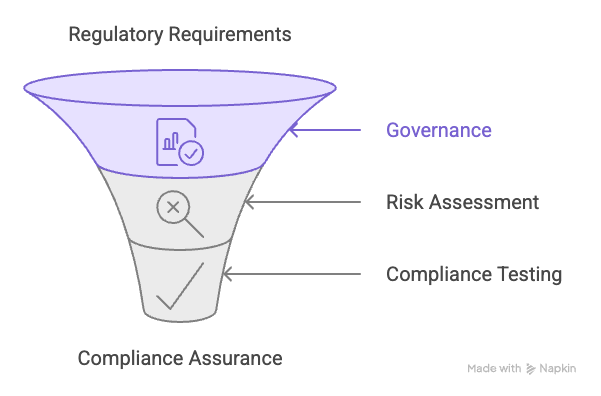
Act 1: Governance - Writing the Rulebook
Grace starts by figuring out what rules matter most. You can’t defend a castle without knowing where the walls are.
She discovers Acme must follow:
- PCI DSS for credit card security
- GDPR for European customer privacy
- Acme’s own internal data policy
In ServiceNow, Grace loads these rulebooks as Authority Documents, then extracts the specific, actionable rules (called Citations). For example:
- From PCI DSS: “Render PAN unreadable anywhere it is stored.”
- From GDPR: “Encrypt personal data appropriate to risk.”
Grace connects both to one internal Control Objective:
“All sensitive customer data must be encrypted at rest.”
Now, instead of juggling dozens of legal documents, Acme has one clear list of “to-dos” mapped to every external rule.
This is the “G” in GRC - Governance - turning complexity into clarity.
Act 2: Risk - What Could Go Wrong?
Next, Grace and her team brainstorm. “What could stop us from encrypting all data?”
- A developer might accidentally store plain-text passwords.
- An old database might not support encryption.
- A cloud bucket could be misconfigured and left public.
Each of these becomes a Risk in ServiceNow’s Risk Register.
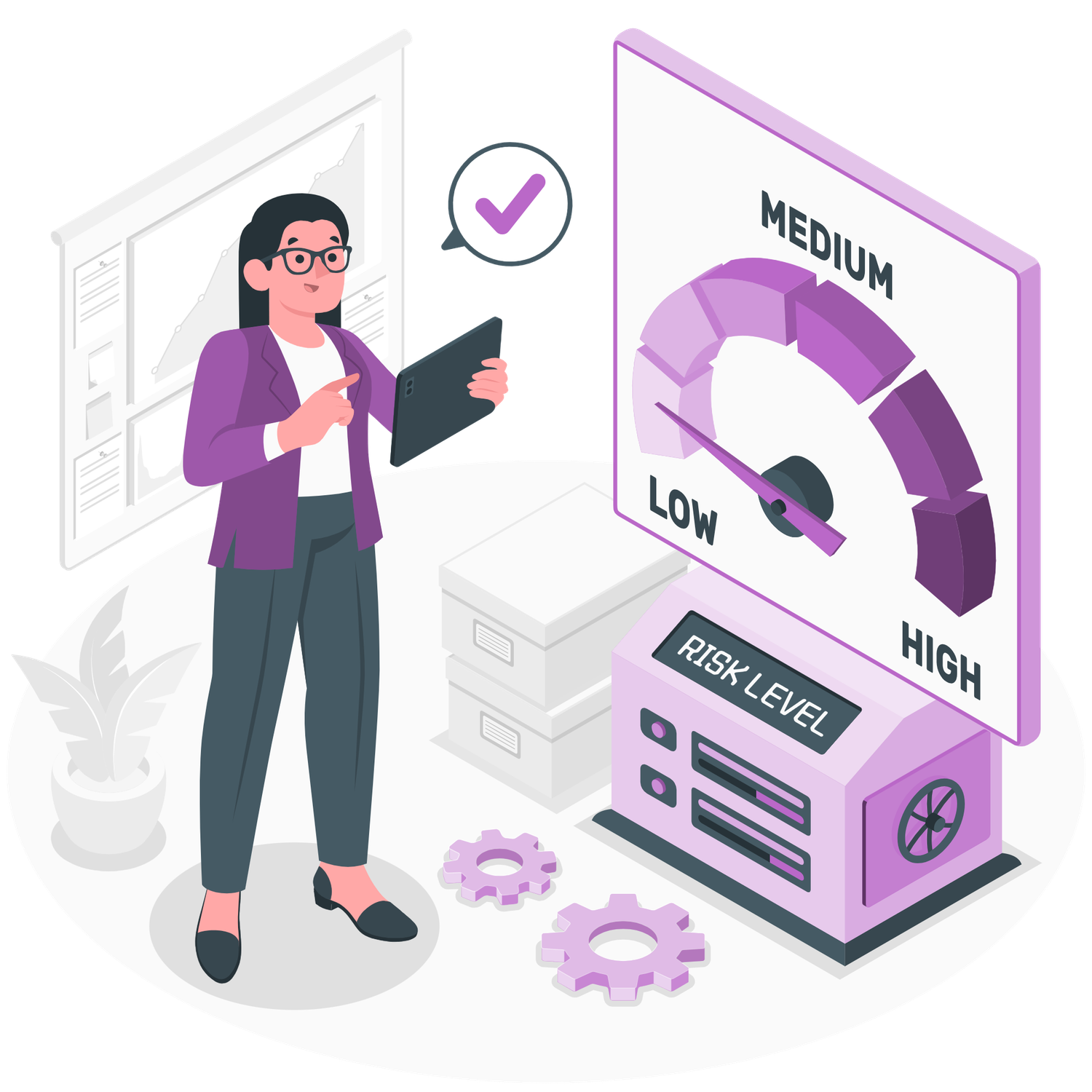
Grace then rates them by likelihood and impact.
The old database? Low likelihood, but critical impact - it holds every credit card number.
The team prioritises:
- Mitigate the critical one (replace the old server).
- Accept the lesser one (developer error) but monitor it closely.
Through this, Acme starts to see risk differently - not as fear, but as data.
They’re not guessing anymore. They’re making decisions with confidence.
Act 3: Compliance - Proving It Works
Six months later, the board asks the big question:
“Grace, are we compliant? How do you know?”
Grace smiles. ServiceNow IRM has all the answers.
Every quarter, a control test (called an Attestation) automatically goes out to Dave, the database admin:
“Is all customer data encrypted at rest?”
“Upload your proof.”
If Dave clicks Yes and attaches evidence, ServiceNow marks the control Compliant, and the dashboard glows green.
If he clicks No, ServiceNow automatically creates an Issue, assigns it to IT, and updates the CEO’s dashboard to red. Once the problem is fixed and retested, everything turns green again.
Grace doesn’t chase spreadsheets anymore. Audits that once took weeks now take minutes. Every rule, every risk, every test, all linked in one transparent system.
That’s the “C” in GRC — Compliance — showing, not just telling, that Acme is secure.
The Bigger Picture — Why Integrated Risk Management Matters
Grace’s story isn’t unique. Many organisations struggle to connect Governance, Risk, and Compliance in a meaningful way. They face:
- Fragmented data trapped in silos
- Low awareness among teams about the risk importance
- Integration gaps with HR, IT, or finance systems
- Inefficient reporting that delays action
Even the best tools can fall short if people and systems don’t speak the same language. That’s why Integrated Risk Management (IRM) on ServiceNow is so transformative; it brings everything together under one digital roof.
How Organisations Can Follow Acme’s Lead
1. Standardise and Customise Risk Assessments
Start with ServiceNow’s out-of-the-box templates to create consistency, then tailor them to your industry or internal policies. That balance of standard and specific makes assessments powerful.
2. Build a Risk-Aware Culture
Run internal awareness sessions. Use ServiceNow’s training modules to teach everyone, from developers to executives, how their actions shape compliance.
3. Integrate Systems for a Single Source of Truth
Connect ServiceNow IRM with HR, IT, finance, and operations systems. Suddenly, risk data that once lived in silos becomes visible, traceable, and actionable.
4. Automate and Simplify Reporting
Dashboards in ServiceNow give executives high-level views and let managers dig deeper. Automated, real-time reporting means decisions happen faster — and with more confidence.
5. Embrace AI and Automation
ServiceNow’s predictive intelligence identifies patterns humans might miss, flagging emerging risks before they escalate. Let technology work with you, not just for you.
6. Encourage Cross-Functional Collaboration
Risk doesn’t live in one department, and neither should risk management. ServiceNow’s shared workflows and digital workspaces help teams solve problems together, in real time.
A Real-World Ripple Effect
In one case, a leading financial services firm used ServiceNow IRM and AI to cut risk assessment time by 30% - while improving accuracy. In another, a healthcare provider trained staff using ServiceNow’s awareness tools and improved threat reporting by 40%, strengthening patient data protection. These aren’t just numbers. They represent trust, safety, and resilience.
The Takeaway — From Fear to Foresight
Grace’s journey at Acme shows that true governance and compliance aren’t about fear of audits or breaches.
They’re about building confidence — in your systems, your people, and your ability to adapt.
With ServiceNow IRM, businesses move from firefighting risks to mastering them. They connect every policy, risk, and control into one living, breathing ecosystem of trust. That’s how Acme, and countless real-world companies, turned the question “Are we secure?” into the answer: “Yes, and here’s the proof.”
In Summary
Integrated Risk Management (IRM) isn’t just a framework. It’s a mindset.
ServiceNow IRM helps organisations:
- Define clear governance through centralised controls
- Identify and prioritise risks with data-driven insight
- Automate compliance testing and reporting
- Build a culture of transparency and collaboration
In a world full of “what-ifs,” IRM is how businesses build certainty.